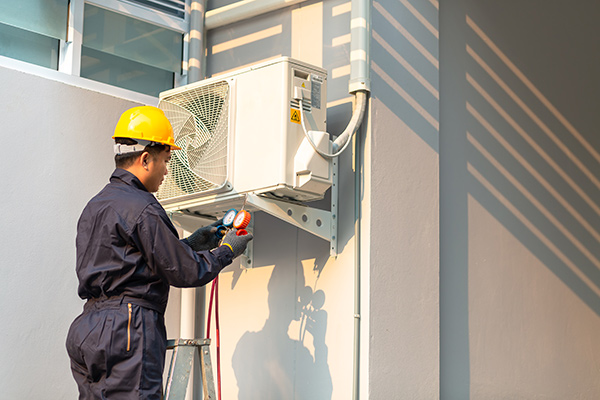
Ducted air conditioning systems are popular in many homes and commercial buildings. They are preferred because of their ability to cool large spaces efficiently. These systems comprise an indoor unit and an outdoor unit. The outdoor unit is responsible for drawing air from outside the building, cooling it, and distributing it to the indoor unit.
It is, therefore, essential to take care of the outdoor unit to ensure it functions optimally. Take suggestions from experienced AC technicians in your region such as air conditioning Sydney experts. In this article, we will discuss how to take care of the outdoor unit of ducted AC systems.
Clean The Outdoor Unit Regularly
One of the simplest ways to maintain the outdoor unit of a ducted AC system is to clean it regularly. Because dirty coils can also decrease the unit’s efficiency and might even cause a fire. The outdoor unit is exposed to dust, debris, and other contaminants, which can accumulate over time, hindering its ability to function efficiently.
Therefore, it is recommended that you clean the outdoor unit at least once a month. You can do this by removing any debris or leaves that may have accumulated around the unit. You can also use a soft-bristled brush to clean the unit’s fins and coils, removing any dirt or dust that may have accumulated. This will help to prevent dirt and debris from accumulating and clogging the unit. If you live in an area with a lot of dust or pollen, you may need to clean it more often.
Clear The Area Around The Outdoor Unit
Another way to take care of the outdoor unit of a ducted AC system is to ensure that the area around the unit is clear. The outdoor unit should have enough space around it to allow proper airflow. If there are any obstacles around the unit, such as bushes, fences, or walls, they should be removed to ensure that air can flow freely. If you have a reusable filter, clean it with your garden hose using a strong spray. For disposable filters, make sure to have a replacement filter available that’s recommended for your unit. Proper airflow ensures that the unit operates efficiently and reduces the risk of overheating.
Check The Refrigerant Levels
The refrigerant is a vital component of the outdoor unit of a ducted AC system. It is responsible for cooling the air that is drawn into the system. Low refrigerant levels can cause the unit to work harder to cool the air, which can increase energy consumption and reduce the lifespan of the system. It is, therefore, essential to check the refrigerant levels regularly and top up if necessary.
Refrigerants are in the form of gas or fluid and are found in everything that cools such as vehicle air conditioners, fridges, air conditioners, and even freezers. Without the refrigerant, your AC cannot keep the home cool. You should also check for any leaks in the system, as leaks can cause refrigerant levels to drop.
Check The Unit’s Electrical Connections
The outdoor unit of a ducted AC system is connected to an electrical power source. Over time, the electrical connections may become loose, which can cause the unit to malfunction or stop working altogether. It is, therefore, important to check the unit’s electrical connections regularly and tighten any loose connections. You should also check the wiring for any signs of wear or damage, and replace any damaged wiring.
Schedule Regular Maintenance
Regular maintenance is essential for the proper functioning of a ducted AC system’s outdoor unit. It is recommended that you schedule a professional maintenance check at least once a year. Call an expert professional such as ducted aircon Sydney for maintenance and an annual check of your ducted AC. Not only can regular maintenance keep the cool air flowing, but it can also save you money on your energy costs by making your air conditioner run more efficiently, as well as extending its life span.
Replacing the filters in your HVAC system is the most important task to keep your air conditioner running efficiently. The more you use your air conditioning (or heating) system, the more frequently you need to replace the HVAC filter.
During the maintenance check, the technician will inspect the unit for any signs of wear and tear, check the refrigerant levels, clean the unit’s coils and fins, and check the electrical connections. They will also replace any worn-out or damaged parts and ensure that the system is running optimally.
Protect The Unit From Extreme Weather
Extreme weather conditions can cause damage to the outdoor unit of a ducted AC system. During the winter months, for example, snow and ice can accumulate around the unit, causing it to malfunction. During the summer months, extreme heat can cause the unit to overheat, reducing its lifespan. It is, therefore, essential to protect the unit from extreme weather conditions.
You can do this by covering the unit with a waterproof cover during the winter months and ensuring that it is properly ventilated during the summer months. Otherwise, the outdoor unit may accumulate dust and debris that can reduce the efficiency of your ducted AC. Check and Test the RefrigerantAn HVAC professional will check to make sure that the proper amount of refrigerant is being used, and that there are no active refrigerant leaks or signs of future leaks.
Final Words
In conclusion, taking care of the outdoor unit of a ducted AC system is essential to ensure its optimal functioning. Regular cleaning, clearing the area around the unit, checking refrigerant levels, checking electrical connections, scheduling regular maintenance, and protecting the unit from extreme weather conditions are some of the ways to take care of the outdoor unit.
By following these steps, you can reduce the risk of breakdowns, increase the lifespan of the unit, and ensure that your ducted AC system is running efficiently. A well-maintained outdoor unit will not only help to keep your indoor environment comfortable but also save you money on energy bills in the long run. Therefore, it is important to make outdoor unit care a priority for any homeowner or building manager with a ducted AC system.