Radiation Therapy Albuquerque
Radiation Therapy Albuquerque: Radiation therapy is a widely used form of cancer treatment that involves the use of high-energy radiation to kill cancer cells and shrink tumors. It is a complex and powerful treatment that requires expertise and careful planning to ensure its effectiveness and safety. In Albuquerque, radiation therapy is one of the most commonly used treatments for cancer, and it has helped many patients fight their disease and improve their quality of life.
What is Radiation Therapy Albuquerque:
Radiation Therapy Albuquerque In this article, we will explore the basics of radiation therapy in Albuquerque, including how it works, the different types of radiation therapy, and its benefits and potential side effects.
How does radiation therapy work?
Radiation therapy works by damaging the DNA inside cancer cells, which prevents them from dividing and growing. This damage is caused by ionizing radiation, which can come from different sources, including X-rays, gamma rays, and proton beams. The radiation is delivered to the tumor in a controlled manner, using specialized machines and techniques that aim to minimize the exposure of healthy tissues to radiation.
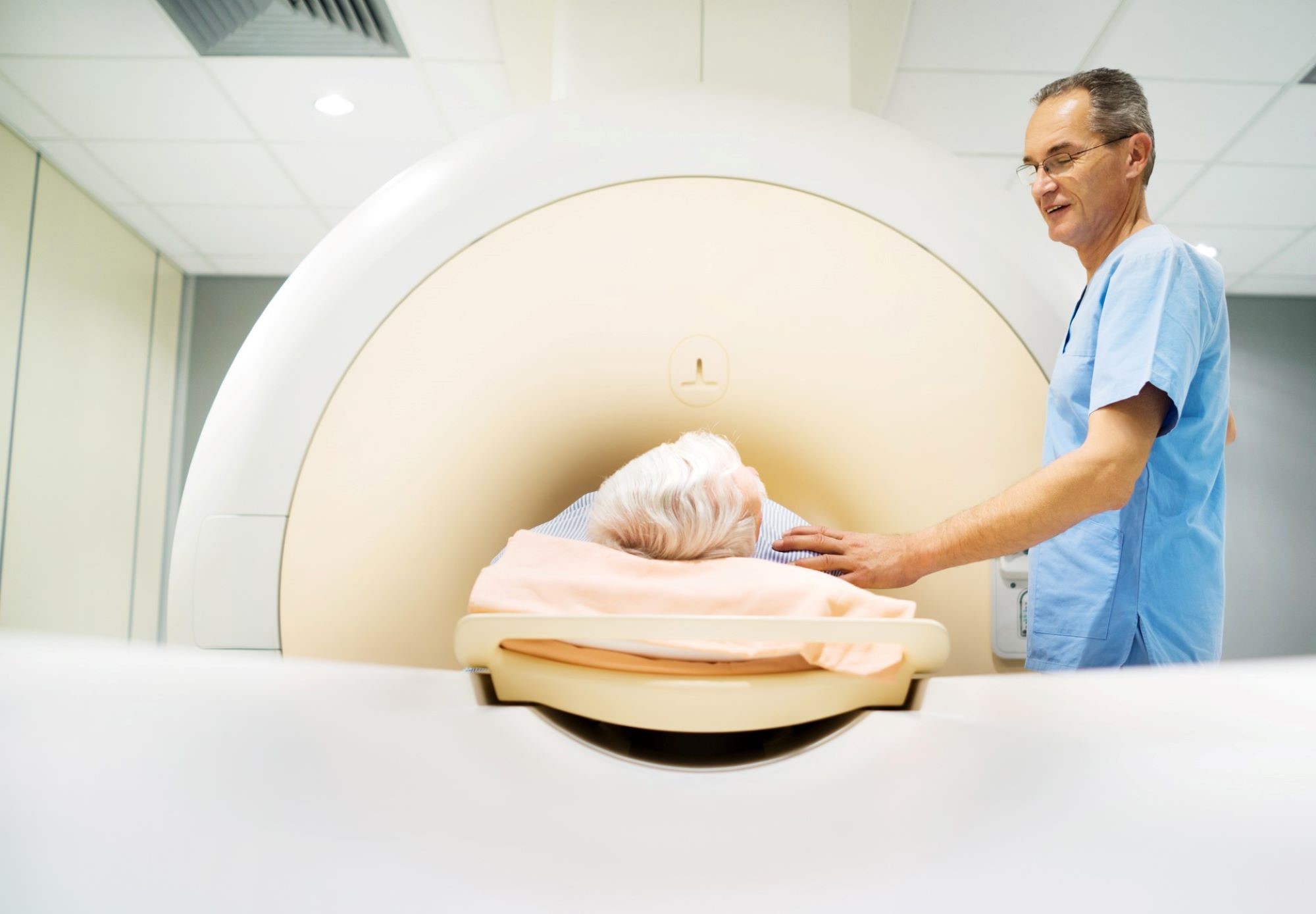
One of the key advantages of radiation therapy is that it can be targeted very precisely to the tumor, allowing for a high dose of radiation to be delivered to the cancer cells while minimizing the damage to surrounding tissues. This is achieved through the use of advanced imaging techniques, such as CT scans and MRI, which help the radiation oncologist to plan the treatment and determine the best approach to deliver the radiation.
Types of radiation therapy:
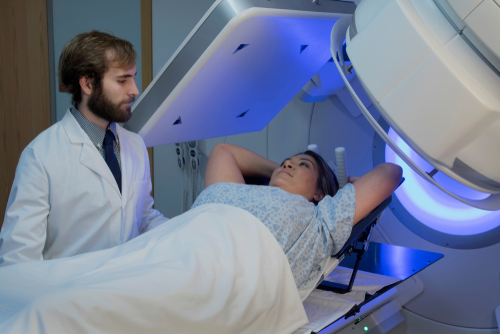
There are two main types of radiation therapy: external beam radiation therapy (EBRT) and internal radiation therapy, also known as brachytherapy. EBRT is the most common type of radiation therapy, and it involves delivering radiation to the tumor from outside the body, using a machine called a linear accelerator. This machine can be programmed to deliver the radiation from different angles and with different intensities, depending on the size and location of the tumor.
Brachytherapy, on the other hand, involves placing radioactive sources inside or next to the tumor, either temporarily or permanently. This allows for a high dose of radiation to be delivered directly to the tumor, while sparing nearby healthy tissues. Brachytherapy is often used for cancers of the cervix, prostate, and breast, among others.
Benefits of radiation therapy:
Radiation therapy offers several benefits for patients with cancer, depending on the type and stage of the disease. One of the main advantages is that it can be used as a curative treatment for certain types of cancer, such as early-stage prostate cancer, breast cancer, and lung cancer. In these cases, radiation therapy can be used alone or in combination with surgery and/or chemotherapy to achieve a complete remission of the cancer.
Radiation therapy can also be used as a palliative treatment, to relieve symptoms and improve quality of life for patients with advanced cancer. This is often the case for patients with metastatic cancer, where the cancer has spread to other parts of the body and cannot be cured. In these cases, radiation therapy can help to shrink the tumors and reduce pain, bleeding, and other symptoms.
Potential side effects:
Radiation therapy is a powerful treatment that can cause side effects, depending on the dose and location of the radiation. The most common side effects are fatigue, skin irritation, and loss of appetite, which usually go away after the treatment is finished. Other side effects may include nausea, vomiting, diarrhea, and difficulty swallowing, depending on the area of the body being treated.
In some cases, radiation therapy can also cause long-term side effects, such as radiation fibrosis, which is a scarring of the tissues that can affect breathing and other functions. Radiation therapy to the brain can also cause cognitive problems, such as memory loss and difficulty concentrating.
Radiation Therapy Albuquerque How Its Work?
Radiation therapy, also known as radiotherapy, is a form of cancer treatment that uses high-energy radiation to kill cancer cells and shrink tumors. It works by damaging the DNA inside cancer cells, which prevents them from dividing and growing. This damage is caused by ionizing radiation, which can come from different sources, including X-rays, gamma rays, and proton beams.
In Albuquerque, radiation therapy is one of the most commonly used treatments for cancer. It is delivered by a team of specialized healthcare professionals, including radiation oncologists, medical physicists, and radiation therapists. These experts work together to plan and deliver the treatment, ensuring its effectiveness and safety.
Planning radiation therapy:
Before radiation therapy can be delivered, the patient will undergo a series of tests and imaging scans to determine the location and size of the tumor, as well as the surrounding healthy tissues. This information is used to create a treatment plan, which outlines the dose, duration, and frequency of the radiation.
The treatment plan is created using advanced computer software, which takes into account the patient’s individual anatomy and the characteristics of the tumor. The goal of the treatment plan is to deliver the maximum dose of radiation to the tumor, while minimizing the exposure of nearby healthy tissues to radiation.
Types of radiation therapy:
There are two main types of radiation therapy: external beam radiation therapy (EBRT) and internal radiation therapy, also known as brachytherapy.
External beam radiation therapy (EBRT) is the most common type of radiation therapy. It involves delivering radiation to the tumor from outside the body, using a machine called a linear accelerator. The radiation is delivered in a series of daily treatments, which last only a few minutes each. The duration of the treatment depends on the size and location of the tumor, as well as the type of cancer being treated.
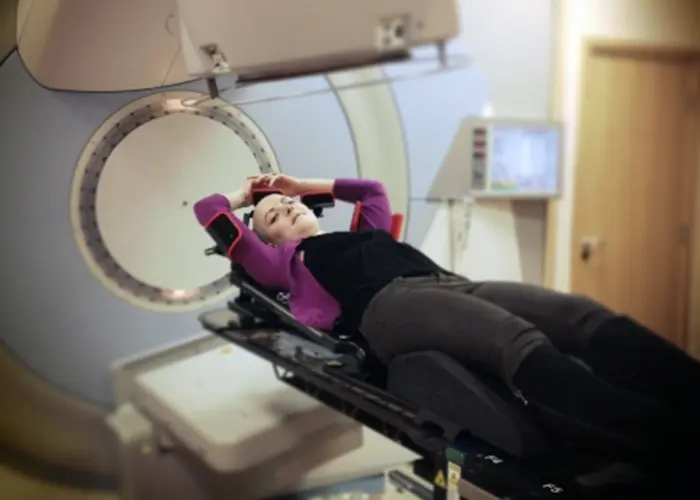
During EBRT, the patient lies on a table, and the machine moves around the body to deliver the radiation from different angles. The radiation therapist will monitor the patient’s position and adjust the machine as needed to ensure the radiation is delivered to the correct location.
Internal radiation therapy, or brachytherapy, involves placing radioactive sources inside or next to the tumor. This allows for a high dose of radiation to be delivered directly to the tumor, while sparing nearby healthy tissues. Brachytherapy is often used for cancers of the cervix, prostate, and breast, among others.
During brachytherapy, the radioactive sources are placed inside the body using small tubes or needles, which are removed after the treatment is complete. The patient may need to stay in the hospital for a few days during the treatment, to ensure the radioactive sources are safely contained and do not pose a risk to others.
Potential side effects:
Radiation therapy can cause side effects, depending on the dose and location of the radiation. The most common side effects are fatigue, skin irritation, and loss of appetite, which usually go away after the treatment is finished. Other side effects may include nausea, vomiting, diarrhea, and difficulty swallowing, depending on the area of the body being treated.
In some cases, radiation therapy can also cause long-term side effects, such as radiation fibrosis, which is a scarring of the tissues that can affect breathing and other functions. Radiation therapy to the brain can also cause cognitive problems, such as memory loss and difficulty concentrating.
If you want to get amazing benefits by using this link
Dexa Alamgordo
To minimize the risk of side effects, radiation oncologists may adjust the treatment plan, by reducing the dose or changing the location of the radiation. They may also prescribe medications to manage the side effects, such as anti-nausea drugs or pain relievers.
Conclusion:
Radiation therapy is a powerful cancer treatment that has helped many patients in Albuquerque fight their disease and improve their quality of life. It works by delivering high-energy radiation to the tumor, which damages the DNA inside