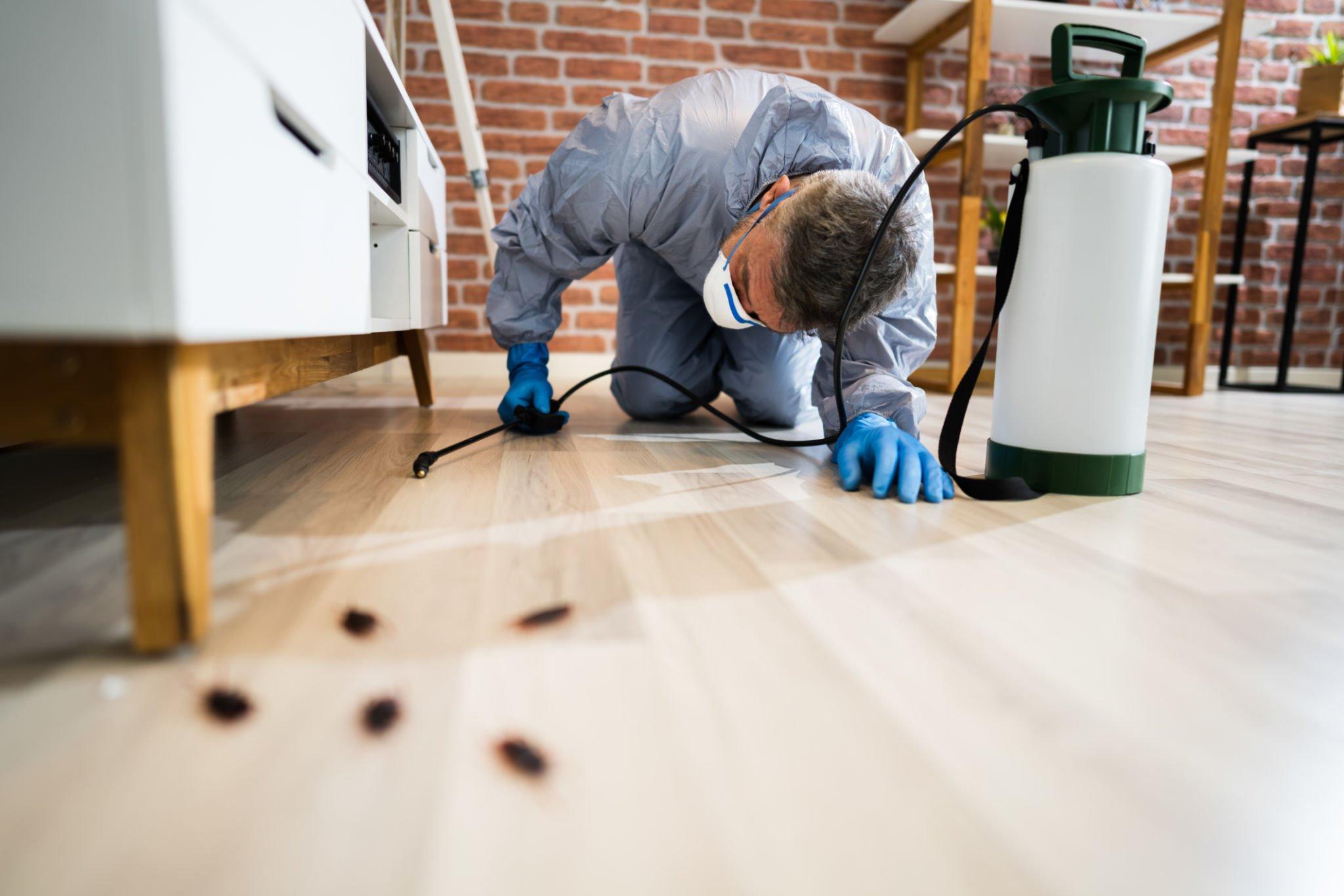
Restaurants are high-traffic areas that attract a variety of pests, such as cockroaches, rodents, and flies. These pests pose a serious threat to the health and safety of customers and staff, and can also damage the reputation of the restaurant. Therefore, effective pest control is essential for maintaining a clean and healthy environment in any restaurant. While there are several preventative measures that restaurant owners can take to avoid infestations, seeking the advice of professional pest control technicians can provide valuable insights and tips for keeping restaurants pest-free. In this blog post, we will discuss common restaurant pests, prevention measures, hiring a pest control professional, common pest control treatments, and regular pest control maintenance.
Common restaurant pests
Restaurants are a breeding ground for pests, especially those that thrive in warm, moist environments. Here are some of the most common pests found in restaurants:
Cockroaches: These pests are attracted to food, moisture, and warmth, making restaurants the perfect breeding ground for them. They can carry harmful bacteria and can cause allergic reactions in some people.
Rodents: Mice and rats are attracted to food and can easily sneak into restaurants through small holes and cracks. They can spread diseases and cause significant damage to the building’s structure and equipment.
Flies: Flies are attracted to food and waste, and can easily contaminate food and surfaces. They can spread harmful bacteria and viruses, making them a serious health hazard in restaurants.
The risks and consequences of having these pests in a restaurant are significant. Infestations can lead to food contamination, which can cause foodborne illnesses in customers. Pest infestations can also damage the reputation of the restaurant, leading to decreased revenue and potential legal action. Additionally, the presence of pests can lead to health code violations and closure by regulatory agencies. Therefore, it is important for restaurant owners to take pest control seriously and take preventative measures to avoid infestations.
Prevention measures
Preventing pest infestations in restaurants is crucial to maintaining a clean and healthy environment for customers and staff. Here are some preventative measures that restaurant owners can take:
- Maintain a clean and sanitary environment: Regular cleaning of floors, walls, and equipment is essential to eliminate potential food sources for pests. Additionally, keeping the kitchen and dining area free of food debris and spills can prevent pests from being attracted to the area.
- Seal entry points: Pests can easily enter a restaurant through small holes and cracks in walls, windows, and doors. Sealing these entry points can prevent pests from entering the building in the first place.
- Proper food storage: Storing food properly is essential to preventing pest infestations. All food items should be stored in sealed containers and off the ground. Additionally, garbage should be stored in sealed containers away from the restaurant to avoid attracting pests.
- Educate staff: It is important to educate staff on proper cleaning and sanitation techniques to prevent pest infestations. Staff should also be trained to identify signs of pest infestations and report them immediately to management.
By taking these preventative measures, restaurant owners can significantly reduce the risk of pest infestations in their establishments. Regular maintenance and cleaning can also help identify potential pest problems before they become major issues.
Hiring a pest control professional
Hiring a pest control professional is an important step in ensuring that a restaurant remains pest-free. Here are some benefits of hiring a pest control professional for restaurant pest management:
- Expertise and experience: Professional pest control technicians are trained and experienced in identifying and treating pest infestations. They can provide valuable insights and advice on preventative measures and treatment options.
- Customized treatment plans: Every restaurant is different, and a professional pest control technician can tailor treatment plans based on the specific needs of the restaurant. This can help to ensure that the most effective pest control methods are used.
- Prevention of future infestations: Pest control professionals can help to prevent future infestations by identifying potential entry points and providing recommendations for preventative measures.
It is important to select a reputable and experienced pest control company when hiring a professional for restaurant pest management. The following are some tips for choosing a pest control company:
- Check for licenses and certifications: Make sure the pest control company has the necessary licenses and certifications to operate in your area.
- Read reviews: Look for reviews from other restaurant owners or businesses that have used the pest control company’s services.
- Ask for referrals: Ask other business owners for referrals to pest control companies they have used and had positive experiences with.
- Transparency: Make sure the pest control company is transparent about the treatment plan, costs, and any potential risks associated with the treatment.
By hiring a reputable and experienced pest control company, restaurant owners can rest assured that their establishment is being properly treated and maintained to prevent pest infestations.
Common pest control treatments
There are several pest control treatments available for restaurants, and each method has its own benefits and drawbacks. Here are some common pest control treatments used in restaurants:
- Baits: Baits are used to attract and kill pests such as cockroaches and rodents. The bait is typically mixed with a poison that is ingested by the pest, leading to their death. Baits are an effective method of pest control because they can target specific pests and can be placed in hard-to-reach areas. However, baits may not be effective in all situations and can take several days to work.
- Traps: Traps are used to capture and kill rodents and other small pests. Traps can be humane or lethal, depending on the type of trap used. Humane traps capture the pest and allow it to be released into the wild, while lethal traps kill the pest. Traps are an effective method of pest control, but they require frequent monitoring and disposal of the trapped pests.
- Insecticides: Insecticides are chemicals that are used to kill pests such as flies and cockroaches. Insecticides can be applied as sprays, dust, or baits. They are effective in killing pests quickly, but they can be harmful to humans and the environment if not used properly.
The benefits and drawbacks of each treatment method are as follows:
- Baits: Benefits:
- Can target specific pests
- Can be placed in hard-to-reach areas
- Can be effective in eliminating an infestation
Drawbacks:
- May take several days to work
- Not effective in all situations
- Traps: Benefits:
- Can be humane or lethal
- Effective in capturing or killing rodents and other small pests
Drawbacks:
- Requires frequent monitoring and disposal of trapped pests
- May not be effective in eliminating an infestation
- Insecticides: Benefits:
- Can kill pests quickly
- Can be applied in various forms
Drawbacks:
- Can be harmful to humans and the environment if not used properly
- May not be effective in eliminating an infestation if not used correctly
When selecting a pest control treatment for a restaurant, it is important to consider the specific pest problem and the potential risks associated with each treatment method. A professional pest control technician can provide guidance on the best treatment option for a particular situation.
Regular pest control maintenance
Regular pest control maintenance is crucial in preventing pest infestations in restaurants. Here are some reasons why regular pest control maintenance is important:
- Early detection: Regular pest control maintenance allows for the early detection of potential pest problems. This can help to prevent the infestation from becoming widespread and more difficult to control.
- Prevention of future infestations: Regular pest control maintenance can help to prevent future pest infestations by identifying and addressing potential entry points and breeding areas.
- Compliance with regulations: Many local health and safety regulations require regular pest control maintenance in restaurants. Compliance with these regulations can help to ensure that the restaurant remains in good standing and avoids penalties.
The frequency of pest control treatments in a restaurant can vary depending on factors such as the type of restaurant, the location, and the severity of past pest problems. In general, it is recommended that pest control treatments be conducted on a regular basis, typically every 2-3 months. However, the frequency of treatments may need to be increased in areas with high pest activity or in situations where past infestations have been particularly severe.
It is important to work with a professional pest control company to determine the appropriate frequency of treatments for a particular restaurant. Regular pest control maintenance can help to keep a restaurant pest-free and ensure the health and safety of employees and customers.
Conclusion
In conclusion, restaurant pest control is essential for maintaining a clean and safe environment for employees and customers. Pest problems in restaurants can lead to serious health and safety risks, as well as damage to the restaurant’s reputation. Professional pest control technicians can provide valuable insights and tips for keeping restaurants pest-free, including preventative measures such as maintaining cleanliness and proper food storage, as well as regular pest control maintenance.
It is important for restaurant owners and managers to take proactive steps to prevent pest infestations and to seek professional help when necessary. By working with a reputable and experienced pest control company, restaurants can ensure that they are taking the necessary measures to protect their employees, customers, and reputation.