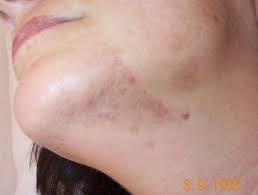
Diffuse pigmentation is a common skin concern among many individuals. This condition can manifest itself in a variety of ways, from dark spots to an overall discoloration of the skin. If you are concerned about diffuse pigmentation, it is important to understand what it is, as well as the treatments available to address it. In this blog post, we will discuss the causes and symptoms of diffuse pigmentation, as well as explore various treatment options to help improve the appearance of your skin. Diffuse pigmentation
What is diffuse pigmentation?
Diffuse pigmentation is a skin condition that is characterized by the appearance of dark or discolored spots on the skin. This pigmentation can affect any area of the body, and is typically caused by an overproduction of melanin in the skin. It often occurs in areas of frequent sun exposure, including the face, neck, shoulders, and arms, but can also occur in other areas of the body such as the legs, chest, and back. Diffuse Diffuse pigmentation pigmentation can range from barely noticeable spots to larger patches of color, and can vary in intensity from light brown to darker shades. The condition is sometimes referred to as “melasma” or “freckles”. While it is not dangerous, diffuse pigmentation can be cosmetically unappealing, and many people may want to reduce its appearance. Fortunately, there are several treatments available for treating this type of skin discoloration. Sunscreen should always be used when going outdoors, since sun exposure will only worsen the problem. Over-the-counter creams containing ingredients like hydroquinone or retinoids may help fade the pigment. Professional treatments such as chemical peels, microdermabrasion, laser therapy, and intense pulsed light (IPL) are more aggressive options that have been shown to have good results in treating diffuse pigmentation. Of course, everyone’s skin responds differently to treatments, so it’s important to consult with your dermatologist before beginning any treatment plan.
What causes diffuse pigmentation?
Diffuse pigmentation is caused by a range of factors, including sun exposure, hormonal changes, certain medications, and skin conditions. Sun exposure is the most common cause of diffuse pigmentation, as it can cause the production of melanin, which is the pigment that gives your skin its color. Hormonal changes such as during pregnancy or menopause can also cause an increase in melanin production. Certain medications, such as some birth control pills, can also trigger diffuse pigmentation. Skin conditions, such as eczema, psoriasis, and acne, can also cause hyperpigmentation due to inflammation and increased melanin production. In some cases, diffuse pigmentation can be a sign of a more serious underlying condition, such as Addison’s disease or Cushing’s syndrome. It’s important to consult with your doctor if you notice any new or changing areas of discoloration on your skin.
How to treat diffuse pigmentation?
Treating diffuse pigmentation depends on the underlying cause. Generally, topical creams and other medications are used to treat the skin condition.
For mild cases of diffuse pigmentation, topical creams containing hydroquinone, retinoids, and corticosteroids can be applied to reduce pigmentation. Hydroquinone works by blocking the formation of melanin, while retinoids can increase cell turnover and speed up the fading of existing pigmentation. Corticosteroids may also be used to reduce inflammation associated with the condition.
In more severe cases, lightening agents such as lasers and chemical peels may be used to reduce the appearance of diffuse pigmentation. These treatments use intense light energy or chemical compounds to target and break down pigmented areas in the skin. It’s important to note that these treatments can have serious side effects and should only be performed by a trained professional.
Finally, sun protection is essential for reducing and preventing further diffuse pigmentation. Sunscreens with SPF 30 or higher should be worn every day, and sunglasses should be worn when out in the sun for extended periods of time. Additionally, wearing protective clothing such as wide-brimmed hats and long sleeves can help to protect the skin from sun exposure.
Home remedies for diffuse pigmentation
The good news is that many people find success with home remedies when treating diffuse pigmentation. One of the most popular and effective treatments is exfoliation. Exfoliating regularly can help to slough off dead skin cells and promote cell renewal, revealing brighter, more even-toned skin. You can exfoliate by using an at-home facial scrub or gentle chemical exfoliant such as a lactic acid or salicylic acid product.
Another option is to use topical treatments such as natural bleaching agents like lemon juice, honey, or yogurt. These treatments can be applied directly to the skin and left on for 10-15 minutes before rinsing off with cool water. Be sure to always patch test any new product on a small area of your skin first before applying it to the whole face.
Finally, you can also take preventative measures by wearing sunscreen daily and avoiding tanning beds or sun exposure. Sunscreen can help protect against UVA and UVB rays which are known to cause skin discoloration. Additionally, wearing a wide brimmed hat can provide extra protection and shade your skin from direct sunlight.
When to see a dermatologist for diffuse pigmentation?
When it comes to diffuse pigmentation, it’s important to know when to seek medical advice. It’s always a good idea to talk to your doctor or dermatologist if you’re concerned about the appearance of your skin. Generally speaking, if your pigmentation is persistent and doesn’t respond to home remedies, it’s time to see a dermatologist.
If your pigmentation appears to be related to an underlying medical condition, such as a vitamin deficiency or liver disorder, then it’s best to speak with your doctor. Your doctor will be able to test for and diagnose any underlying causes.
In addition, if you notice any changes in the appearance of your pigmentation, such as an increase in size or new dark spots, it’s time to see a dermatologist. Changes in pigmentation can sometimes be indicative of skin cancer, so it’s important to get them checked out right away.
A dermatologist can also recommend treatments that are more effective than home remedies. Depending on your individual case, they may recommend chemical peels, laser treatments, or topical medications to help lighten the pigmentation.
Overall, it’s best to seek medical advice if you’re concerned about the appearance of your skin. Speak to your doctor or dermatologist if your pigmentation doesn’t respond to home remedies, or if you notice any changes in the appearance of your pigmentation.